Category: Uncategorized

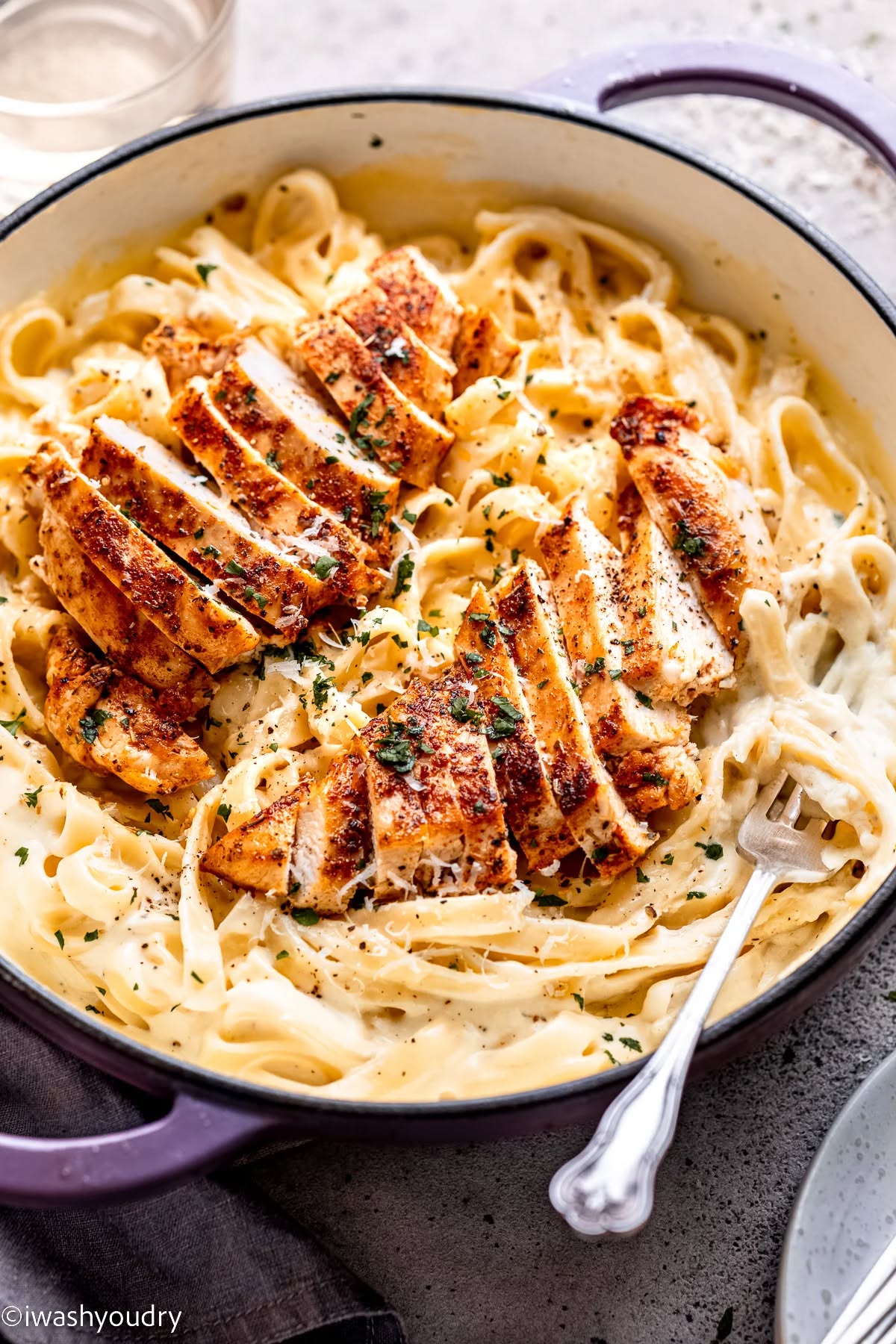
  • Creamy Alfredo Chicken Steak

    Creamy Alfredo Chicken Steak

    Introduction

    Creamy Alfredo Chicken Steak is a rich and indulgent dish featuring tender, pan-seared chicken steaks smothered in a smooth, velvety Alfredo sauce. The chicken is seasoned and cooked until golden on the outside and juicy on the inside, then finished in a luxurious cream-based sauce flavored with garlic and Parmesan cheese. This dish is perfect for serving with pasta, mashed potatoes, rice, or steamed vegetables and works well for both casual dinners and special occasions.


    Ingredients

    For the Chicken Steak

    • 2 large boneless, skinless chicken breasts
      (cut horizontally to make 4 chicken steaks)
    • 1 teaspoon salt
    • 1/2 teaspoon black pepper
    • 1 teaspoon garlic powder
    • 1/2 teaspoon paprika
    • 1 teaspoon Italian seasoning
    • 2 tablespoons olive oil or butter

    For the Creamy Alfredo Sauce

    • 2 tablespoons unsalted butter
    • 4 cloves garlic, finely minced
    • 1 cup heavy cream
    • 1/2 cup milk (adjust for desired consistency)
    • 3/4 cup freshly grated Parmesan cheese
    • 1/2 teaspoon salt (adjust to taste)
    • 1/4 teaspoon black pepper
    • 1/4 teaspoon nutmeg (optional but recommended)
    • 1 teaspoon Italian seasoning

    Optional Garnish

    • Fresh parsley or basil, finely chopped
    • Extra Parmesan cheese

    Equipment Needed

    • Large skillet or frying pan
    • Sharp knife
    • Cutting board
    • Tongs or spatula
    • Measuring cups and spoons

    Preparation Steps

    Step 1: Prepare the Chicken

    Place the chicken breasts on a cutting board and slice them horizontally to create evenly thick chicken steaks. Pat them dry with paper towels.

    Season both sides of the chicken steaks with salt, black pepper, garlic powder, paprika, and Italian seasoning. Press the seasoning gently into the meat to ensure even flavor.


    Cooking the Chicken Steaks

    Step 2: Sear the Chicken

    Heat olive oil or butter in a large skillet over medium heat. Once hot, place the chicken steaks in the pan in a single layer. Do not overcrowd the pan.

    Cook for 4 to 5 minutes per side, or until golden brown and cooked through. The internal temperature should reach 74°C (165°F). Remove the chicken from the pan and set aside on a plate.


    Making the Alfredo Sauce

    Step 3: Sauté the Garlic

    In the same skillet, reduce the heat to medium-low and add the butter. Once melted, add the minced garlic and sauté for 30 to 45 seconds until fragrant. Do not brown the garlic, as it can turn bitter.

    Step 4: Prepare the Cream Base

    Pour in the heavy cream and milk, stirring continuously. Allow the mixture to warm gently for 2 to 3 minutes without boiling.

    Step 5: Add Cheese and Seasoning

    Gradually add the grated Parmesan cheese while stirring to prevent clumping. Continue stirring until the sauce thickens and becomes smooth.

    Season with salt, black pepper, nutmeg, and Italian seasoning. Taste and adjust seasoning as needed.


    Combining Chicken and Sauce

    Step 6: Finish the Dish

    Return the cooked chicken steaks to the skillet, spooning the Alfredo sauce over them. Simmer gently for 2 to 3 minutes so the chicken absorbs some of the sauce flavor.

    If the sauce becomes too thick, add a small amount of milk to loosen it. If too thin, let it simmer slightly longer.


    Serving Suggestions

    • Serve over fettuccine or penne pasta
    • Pair with garlic bread and a fresh green salad
    • Serve alongside mashed potatoes or buttered rice
    • Add steamed broccoli or sautéed mushrooms for balance

    Tips for Best Results

    • Use freshly grated Parmesan for a smooth, creamy sauce; pre-shredded cheese may cause graininess.
    • Keep heat low when adding cream and cheese to avoid curdling.
    • Do not overcook the chicken to maintain juiciness.
    • Let the sauce thicken naturally; avoid high heat.

    Variations

    • Mushroom Alfredo Chicken: Add sautéed mushrooms to the sauce.
    • Spinach Alfredo Chicken: Stir in fresh spinach until wilted.
    • Spicy Alfredo: Add chili flakes or a pinch of cayenne pepper.
    • Lighter Version: Replace half the cream with milk or evaporated milk.

  • Air Fryer Parmesan Crusted Chicken

    Air Fryer Parmesan Crusted Chicken

    Introduction

    Air fryer Parmesan crusted chicken is a flavorful and crispy dish that delivers the texture of traditional breaded chicken with far less oil. The chicken is coated in a seasoned Parmesan breadcrumb mixture and air fried until golden brown on the outside and juicy on the inside. This recipe is ideal for a quick weeknight meal while still being hearty and satisfying.


    Ingredients

    Chicken

    • 2 large boneless, skinless chicken breasts
      (or 4 small chicken breasts or chicken cutlets)

    Coating Ingredients

    • 1/2 cup grated Parmesan cheese (finely grated works best)
    • 1/2 cup breadcrumbs or panko (use gluten-free breadcrumbs if needed)
    • 1 teaspoon garlic powder
    • 1 teaspoon onion powder
    • 1 teaspoon Italian seasoning
    • 1/2 teaspoon paprika
    • 1/2 teaspoon salt
    • 1/4 teaspoon black pepper

    Binding Ingredients

    • 1 large egg
    • 2 tablespoons milk or water

    For Cooking

    • Cooking spray or 1 to 2 tablespoons olive oil

    Optional Garnishes

    • Fresh parsley, finely chopped
    • Lemon wedges

    Equipment Needed

    • Air fryer
    • Mixing bowls
    • Whisk or fork
    • Shallow dishes for breading
    • Meat mallet or rolling pin
    • Instant-read thermometer (recommended)

    Preparation Steps

    Step 1: Prepare the Chicken

    Pat the chicken breasts dry with paper towels. If the breasts are thick, slice them horizontally to create thinner cutlets or pound them to an even thickness of about 1/2 inch. This ensures even cooking and prevents the coating from burning before the chicken is done.

    Season both sides lightly with salt and pepper.

    Step 2: Prepare the Coating

    In a shallow bowl, combine the grated Parmesan cheese, breadcrumbs, garlic powder, onion powder, Italian seasoning, paprika, salt, and black pepper. Mix thoroughly so the seasoning is evenly distributed.

    In a separate bowl, whisk together the egg and milk until smooth.


    Breading the Chicken

    Step 3: Coat the Chicken

    Dip each piece of chicken into the egg mixture, allowing excess to drip off. Immediately press the chicken into the Parmesan breadcrumb mixture, coating both sides evenly. Press gently so the coating adheres well.

    Place the breaded chicken on a plate and let it rest for 5 minutes. This helps the coating stick during cooking.


    Air Frying Instructions

    Step 4: Preheat the Air Fryer

    Preheat the air fryer to 190°C (375°F) for 3 to 5 minutes.

    Step 5: Cook the Chicken

    Lightly spray the air fryer basket with cooking spray. Arrange the chicken in a single layer, leaving space between each piece for air circulation. Lightly spray or brush the tops of the chicken with oil to help achieve a golden crust.

    Air fry at 190°C (375°F) for 10 minutes. Flip the chicken carefully, spray the other side lightly with oil, and cook for an additional 5 to 7 minutes.

    The chicken is done when:

    • The crust is golden brown and crisp
    • The internal temperature reaches 74°C (165°F)
    • The juices run clear when cut

    Step 6: Rest the Chicken

    Remove the chicken from the air fryer and let it rest for 3 to 5 minutes before serving. This allows the juices to redistribute, keeping the meat tender.


    Serving Suggestions

    • Serve with roasted vegetables, mashed potatoes, or a fresh green salad
    • Pair with pasta and marinara sauce for a Parmesan-style meal
    • Slice and use in wraps, sandwiches, or salads

    Tips for Best Results

    • Finely grated Parmesan creates a better crust than shredded cheese.
    • Do not overcrowd the air fryer basket; cook in batches if necessary.
    • Spraying lightly with oil improves browning and crispiness.
    • Adjust cooking time depending on the thickness of the chicken.

    Variations

    • Spicy Parmesan Chicken: Add cayenne pepper or chili flakes to the coating.
    • Herb Parmesan Chicken: Add fresh chopped basil or parsley to the breadcrumb mixture.
    • Low-Carb Option: Replace breadcrumbs with crushed pork rinds or almond flour.
    • Cheesy Crust: Increase Parmesan to 3/4 cup for a thicker coating.

  • Gluten-Free Buttermilk Biscuits

    Gluten-Free Buttermilk Biscuits

    Introduction

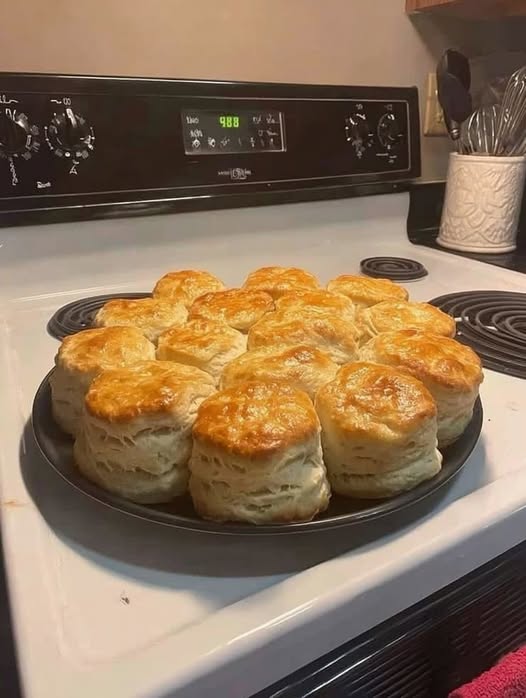
    Gluten-free buttermilk biscuits are soft, tender, and flaky with a lightly crisp exterior and a rich buttery flavor. Making good gluten-free biscuits requires the right balance of flour, fat, and liquid, as well as gentle handling of the dough. This recipe is designed to produce biscuits that rise well, hold together, and do not taste gritty or dry. They are perfect for breakfast, served with gravy, or enjoyed with butter and jam.


    Ingredients

    Dry Ingredients

    • 2 cups gluten-free all-purpose flour blend (must contain xanthan gum; if not, add 1 teaspoon xanthan gum)
    • 1 tablespoon baking powder (gluten-free)
    • 1/2 teaspoon baking soda
    • 1 teaspoon sugar (optional, for flavor)
    • 1 teaspoon salt

    Fat

    • 1/2 cup cold unsalted butter, cut into small cubes
      (Butter must be very cold for flaky layers. Shortening can replace half the butter if desired.)

    Liquid

    • 3/4 to 1 cup cold buttermilk
      (Use as needed to bring the dough together)

    Optional Topping

    • 2 tablespoons melted butter for brushing after baking

    Equipment Needed

    • Large mixing bowl
    • Pastry cutter or fork
    • Measuring cups and spoons
    • Rolling pin or clean hands
    • Biscuit cutter or round glass
    • Baking sheet
    • Parchment paper

    Preparation Steps

    Step 1: Preheat the Oven

    Preheat the oven to 220°C (425°F). Line a baking sheet with parchment paper to prevent sticking and ensure even baking.

    Step 2: Mix the Dry Ingredients

    In a large bowl, combine the gluten-free flour blend, baking powder, baking soda, sugar, and salt. Whisk thoroughly to distribute the leavening agents evenly. This step is important because gluten-free flours need even mixing to rise properly.

    Step 3: Cut in the Butter

    Add the cold butter cubes to the dry ingredients. Using a pastry cutter, fork, or your fingertips, cut the butter into the flour until the mixture resembles coarse crumbs with pea-sized pieces of butter remaining. These small butter pieces create steam during baking, which helps form flaky layers.


    Forming the Dough

    Step 4: Add the Buttermilk

    Slowly pour in 3/4 cup of cold buttermilk. Stir gently with a spoon or spatula until the dough begins to come together. If the dough looks dry or crumbly, add additional buttermilk one tablespoon at a time until the dough is soft, slightly sticky, and holds together.

    Gluten-free dough is typically softer than wheat-based dough and should not be dry.

    Step 5: Shape the Dough

    Lightly dust a clean surface with gluten-free flour. Turn the dough out onto the surface and gently press it into a rectangle about 1 inch thick. Avoid kneading, as overworking gluten-free dough can make the biscuits dense.

    Step 6: Fold for Layers

    Fold the dough in half, then gently press it down again. Repeat this folding process 2 to 3 times. This creates layers and improves the texture of the biscuits.


    Cutting and Baking

    Step 7: Cut the Biscuits

    Using a biscuit cutter or round glass, cut straight down into the dough without twisting. Twisting seals the edges and prevents proper rising. Gather the scraps gently, press together, and cut additional biscuits.

    Step 8: Arrange on Baking Sheet

    Place the biscuits on the prepared baking sheet with their sides just touching. This helps them rise upward rather than spread outward.

    Step 9: Bake

    Bake in the preheated oven for 12 to 15 minutes, or until the tops are lightly golden and the biscuits are fully set in the center.


    Finishing Touch

    Step 10: Brush with Butter

    Remove the biscuits from the oven and immediately brush the tops with melted butter for added flavor and softness.

    Allow the biscuits to cool for 5 minutes before serving.


    Serving Suggestions

    • Serve warm with butter, honey, or jam
    • Use as a base for biscuits and gravy
    • Split and fill with eggs, cheese, or sausage for breakfast sandwiches

    Tips for Best Gluten-Free Biscuits

    • Use a high-quality gluten-free flour blend designed for baking.
    • Keep all ingredients cold, especially butter and buttermilk.
    • Do not overbake; gluten-free biscuits can dry out quickly.
    • Measure flour accurately by spooning it into the measuring cup and leveling it off.

    Variations

    • Cheddar Biscuits: Add 1 cup shredded sharp cheddar cheese to the dry ingredients.
    • Herb Biscuits: Mix in dried herbs such as rosemary or thyme.
    • Dairy-Free Option: Use plant-based butter and dairy-free buttermilk (plant milk plus lemon juice).
    • Drop Biscuits: Skip rolling and cutting, and scoop dough directly onto the baking sheet.
  • Air Fryer Bread Pudding

    Air Fryer Bread Pudding

    Introduction

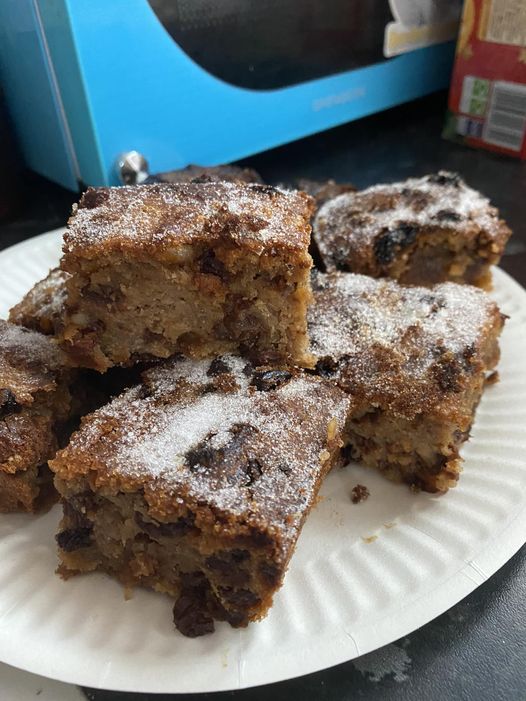
    Air Fryer Bread Pudding is a rich, comforting dessert made with day-old bread soaked in a creamy custard mixture and gently cooked until the inside is soft and moist while the top becomes lightly crisp. Using an air fryer significantly reduces cooking time compared to an oven, while still delivering a beautifully textured and flavorful dessert. This recipe is perfect for using leftover bread and can be customized with different add-ins and sauces.


    Ingredients

    For the Bread Pudding

    • 4 cups day-old bread, cut into 1-inch cubes (white bread, brioche, challah, or French bread work best)
    • 2 large eggs
    • 1 cup whole milk
    • 1/2 cup heavy cream (for extra richness; can be replaced with milk if needed)
    • 1/2 cup granulated sugar
    • 2 tablespoons brown sugar
    • 1 teaspoon vanilla extract
    • 1 teaspoon ground cinnamon
    • 1/4 teaspoon ground nutmeg
    • 1/4 teaspoon salt
    • 2 tablespoons unsalted butter, melted
    • 1/4 cup raisins (optional)
    • 2 tablespoons chopped nuts such as walnuts or pecans (optional)

    Optional Toppings

    • Powdered sugar for dusting
    • Vanilla ice cream
    • Whipped cream

    Optional Sauce (Vanilla or Caramel)

    • 1/2 cup heavy cream
    • 2 tablespoons butter
    • 1/4 cup brown sugar
    • 1 teaspoon vanilla extract

    Equipment Needed

    • Air fryer
    • Heat-safe baking dish or pan that fits inside the air fryer basket
    • Mixing bowls
    • Whisk
    • Measuring cups and spoons

    Preparation Steps

    Step 1: Prepare the Bread

    Cut the bread into even cubes. If the bread is fresh, lightly toast it in the air fryer at 160°C (320°F) for 3 to 4 minutes to dry it out slightly. Dry bread absorbs the custard better and prevents a soggy texture.

    Step 2: Make the Custard Mixture

    In a large mixing bowl, crack the eggs and whisk them until smooth. Add milk, heavy cream, granulated sugar, brown sugar, vanilla extract, cinnamon, nutmeg, and salt. Whisk thoroughly until the sugar is fully dissolved and the mixture is well combined.

    Step 3: Assemble the Bread Pudding

    Place the bread cubes into the baking dish. Sprinkle raisins and nuts evenly over the bread if using. Pour the custard mixture slowly over the bread, ensuring all pieces are well soaked. Gently press the bread down with a spoon so it absorbs the liquid evenly. Drizzle the melted butter over the top.

    Let the mixture rest for 10 to 15 minutes. This allows the bread to fully absorb the custard, resulting in a soft and creamy interior.


    Air Frying Instructions

    Step 4: Preheat the Air Fryer

    Preheat the air fryer to 170°C (340°F) for about 3 to 5 minutes.

    Step 5: Cook the Bread Pudding

    Carefully place the baking dish into the air fryer basket. Cook at 170°C (340°F) for 18 to 22 minutes.
    Check at the 15-minute mark. If the top is browning too quickly, loosely cover the dish with aluminum foil and continue cooking.

    The bread pudding is done when:

    • The top is golden brown
    • The center is set but still slightly soft
    • A knife inserted in the center comes out mostly clean

    Step 6: Rest Before Serving

    Remove the dish from the air fryer and allow it to rest for 5 to 10 minutes. This helps the custard finish setting and makes serving easier.


    Optional Sauce Preparation

    While the bread pudding rests, prepare the sauce if desired.

    In a small saucepan over low heat, combine heavy cream, butter, and brown sugar. Stir continuously until the butter melts and the sugar dissolves. Simmer gently for 2 to 3 minutes until slightly thickened. Remove from heat and stir in vanilla extract.


    Serving Suggestions

    • Serve warm for best flavor and texture.
    • Drizzle with vanilla or caramel sauce.
    • Add a scoop of vanilla ice cream or a dollop of whipped cream.
    • Dust lightly with powdered sugar for presentation.

    Tips for Best Results

    • Use day-old or slightly stale bread to prevent a mushy texture.
    • Do not overfill the baking dish; air circulation is essential in an air fryer.
    • Cooking times may vary depending on the air fryer model and dish size.
    • For a dairy-free version, use coconut milk or almond milk and plant-based butter.

    Variations

    • Chocolate Bread Pudding: Add chocolate chips to the bread mixture.
    • Apple Cinnamon Bread Pudding: Add finely chopped apples and extra cinnamon.
    • Tropical Version: Use coconut milk and add shredded coconut and pineapple pieces.
    • Savory Version: Reduce sugar and add cheese, herbs, and cooked vegetables.
  • Cottage Pie with Ground Beef

    Cottage Pie with Ground Beef

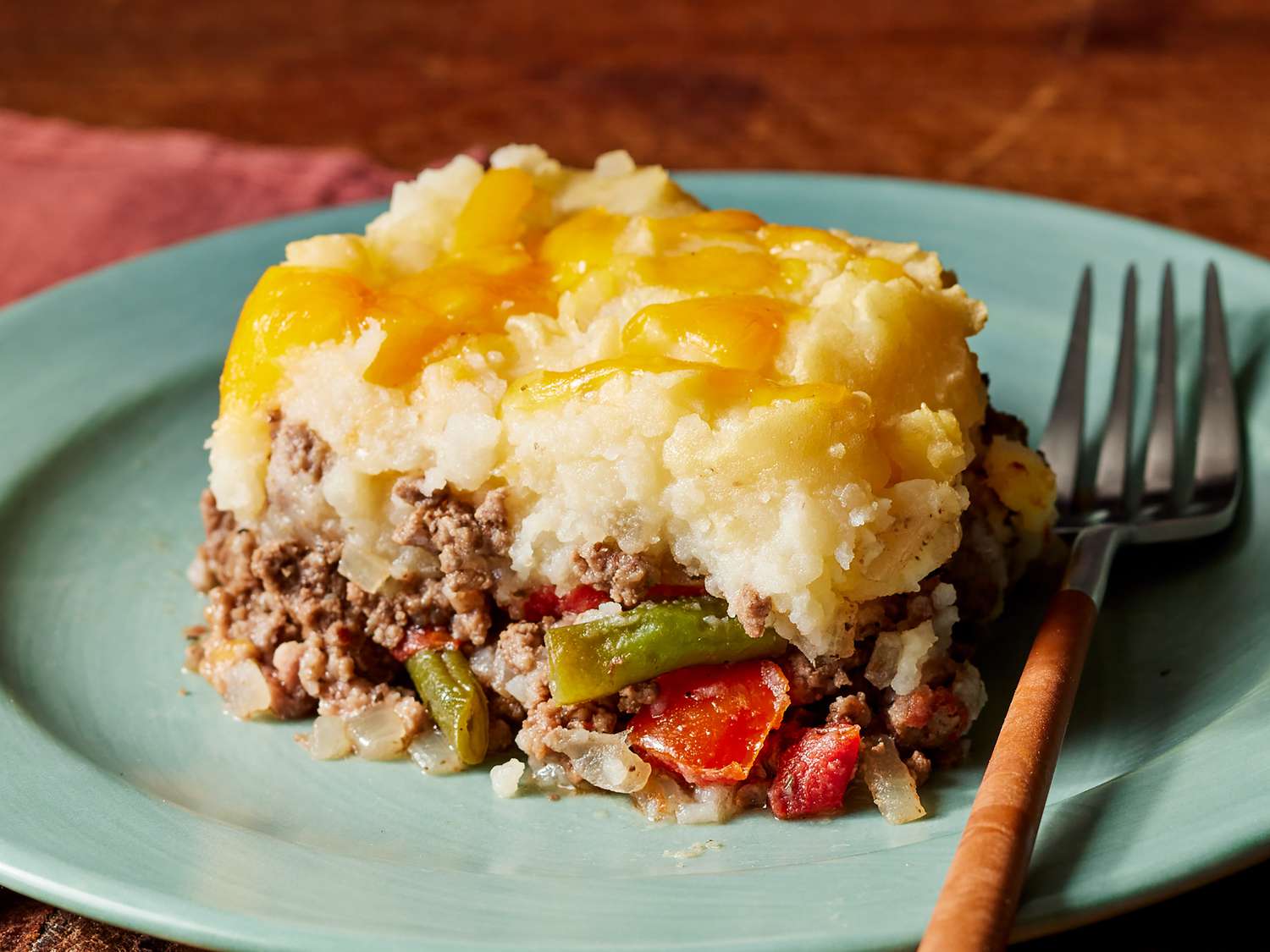
    Cottage pie is a classic comfort dish made with a rich, savory ground beef filling topped with creamy mashed potatoes and baked until golden. This recipe focuses on depth of flavor, proper technique, and a well-balanced texture.


    Ingredients

    For the Mashed Potato Topping

    • 2.5 pounds potatoes (Yukon Gold or Russet), peeled and cut into even chunks
    • 4 tablespoons unsalted butter
    • 1/2 to 3/4 cup whole milk, warmed
    • Salt, to taste
    • Freshly ground black pepper, to taste

    For the Beef Filling

    • 2 tablespoons vegetable oil or olive oil
    • 1 large onion, finely chopped
    • 2 medium carrots, finely diced
    • 2 cloves garlic, minced
    • 1.5 pounds ground beef
    • 2 tablespoons tomato paste
    • 2 tablespoons all-purpose flour
    • 1 cup beef stock
    • 1 tablespoon Worcestershire sauce
    • 1 teaspoon fresh thyme (or 1/2 teaspoon dried thyme)
    • 1 teaspoon fresh rosemary, finely chopped (optional)
    • Salt, to taste
    • Black pepper, to taste

    Optional Add-ins

    • 1/2 cup frozen peas
    • 1/2 cup corn
    • 1 tablespoon butter for dotting the top

    Equipment Needed

    • Large pot for boiling potatoes
    • Large skillet or sauté pan
    • Potato masher or ricer
    • Baking dish (9×13-inch recommended)
    • Wooden spoon or spatula

    Step 1: Prepare the Potatoes

    1. Place the peeled and chopped potatoes into a large pot and cover them with cold water. Add a generous pinch of salt.
    2. Bring the pot to a boil over medium-high heat, then reduce to a steady simmer.
    3. Cook the potatoes for 15–20 minutes, or until they are fork-tender and break apart easily.
    4. Drain the potatoes thoroughly and return them to the hot pot. Allow them to steam for 1–2 minutes to remove excess moisture.
    5. Add the butter and begin mashing the potatoes.
    6. Slowly pour in the warm milk while mashing, adjusting the amount until the potatoes are smooth and creamy.
    7. Season with salt and black pepper. Set aside and keep warm.

    Step 2: Prepare the Beef Filling

    1. Heat the oil in a large skillet over medium heat.
    2. Add the chopped onion and cook for 4–5 minutes until softened and translucent.
    3. Stir in the diced carrots and cook for another 4–6 minutes until slightly tender.
    4. Add the minced garlic and cook for 30 seconds until fragrant, being careful not to burn it.
    5. Add the ground beef to the pan, breaking it apart with a wooden spoon.
    6. Cook the beef until fully browned, about 7–9 minutes. Drain excess fat if necessary.
    7. Stir in the tomato paste and cook for 1–2 minutes to deepen its flavor.
    8. Sprinkle the flour evenly over the meat mixture and stir well. Cook for 1 minute to remove the raw flour taste.
    9. Slowly pour in the beef stock while stirring constantly to avoid lumps.
    10. Add Worcestershire sauce, thyme, and rosemary. Mix thoroughly.
    11. Bring the mixture to a gentle simmer and cook for 8–10 minutes until the sauce thickens.
    12. Season with salt and black pepper to taste.
    13. Stir in peas or corn if using, then remove from heat.

    Step 3: Assemble the Cottage Pie

    1. Preheat your oven to 400°F (200°C).
    2. Spread the beef filling evenly across the bottom of the baking dish.
    3. Spoon the mashed potatoes on top, starting around the edges and working inward to seal the filling.
    4. Use a spatula or fork to spread the potatoes evenly.
    5. Create light ridges on the surface with a fork to help the top brown evenly.
    6. Dot the surface with small pieces of butter if desired.

    Step 4: Bake

    1. Place the assembled cottage pie in the preheated oven.
    2. Bake for 25–30 minutes, or until the top is lightly golden and the filling is bubbling around the edges.
    3. For a deeper golden crust, switch the oven to broil for the final 3–5 minutes, watching carefully to prevent burning.

    Step 5: Rest and Serve

    1. Remove the cottage pie from the oven and let it rest for 10 minutes before serving.
    2. This resting time allows the filling to set and makes serving easier.
    3. Serve warm, optionally accompanied by steamed vegetables or a simple green salad.

    Tips for Best Results

    • Use starchy potatoes for a fluffier topping.
    • Do not overwork the mashed potatoes, as this can make them gluey.
    • Allow the filling to thicken properly before assembling to prevent a watery pie.
  • Pizza Rolls

    Pizza Rolls

    Introduction
    Pizza rolls are a popular bite sized snack filled with classic pizza flavors such as cheese and sauce wrapped in a soft dough and baked until golden. They are perfect as an appetizer party snack or quick meal and can be customized with different fillings. This recipe provides exact measurements and step by step instructions suitable for a blog or recipe website.

    Ingredients

    For the dough
    Two cups all purpose flour
    One teaspoon instant yeast
    One teaspoon sugar
    Three quarters teaspoon salt
    Three quarters cup warm water
    One tablespoon olive oil

    For the filling
    Three quarters cup pizza sauce
    One and a half cups shredded mozzarella cheese
    Half cup chopped pepperoni or cooked sausage
    Half teaspoon dried oregano
    Half teaspoon dried basil

    For brushing and topping
    One tablespoon melted butter
    Half teaspoon garlic powder
    Two tablespoons grated parmesan cheese

    Equipment Needed
    A mixing bowl
    A rolling pin
    A baking tray
    Parchment paper
    A sharp knife

    Preparing the Dough
    In a large mixing bowl combine the flour yeast sugar and salt. Add warm water and olive oil and mix until a soft dough forms. Knead the dough for eight to ten minutes until smooth and elastic.

    Cover the dough with a clean cloth and let it rest in a warm place for one hour or until doubled in size.

    Preparing the Filling
    While the dough rises prepare the filling. In a small bowl mix the pizza sauce oregano and basil. Set aside. Measure the cheese and pepperoni so they are ready for assembly.

    Assembling the Pizza Rolls
    Preheat the oven to three hundred and seventy five degrees Fahrenheit. Line a baking tray with parchment paper.

    Punch down the dough and roll it out on a lightly floured surface into a large rectangle approximately one quarter inch thick. Spread the pizza sauce evenly over the dough leaving a small border around the edges.

    Sprinkle mozzarella cheese evenly over the sauce followed by pepperoni. Roll the dough tightly from one long side to form a log. Use a sharp knife to cut the log into one inch slices.

    Place the pizza rolls cut side up on the prepared baking tray leaving space between each roll.

    Baking Method
    Brush the tops of the rolls with melted butter mixed with garlic powder. Sprinkle parmesan cheese over the rolls.

    Bake for eighteen to twenty two minutes until the rolls are golden brown and the cheese is bubbling.

    Cooling and Serving
    Remove from the oven and let the pizza rolls cool for five minutes before serving. Serve warm with extra pizza sauce for dipping.

    Storage
    Allow leftover pizza rolls to cool completely. Store in an airtight container in the refrigerator for up to three days. Reheat in the oven or air fryer until warmed through.

    Tips for Best Results
    Do not overfill the rolls to prevent leaking.
    Roll the dough tightly for even slices.
    Use freshly shredded cheese for better melting.
    Adjust fillings based on preference.

    Conclusion
    Pizza rolls are a fun and versatile snack made with precise measurements and simple steps. This homemade version delivers soft dough gooey cheese and classic pizza flavor making it perfect for gatherings snacks or casual meals.

  • Lemon Curd

    Lemon Curd

    Introduction
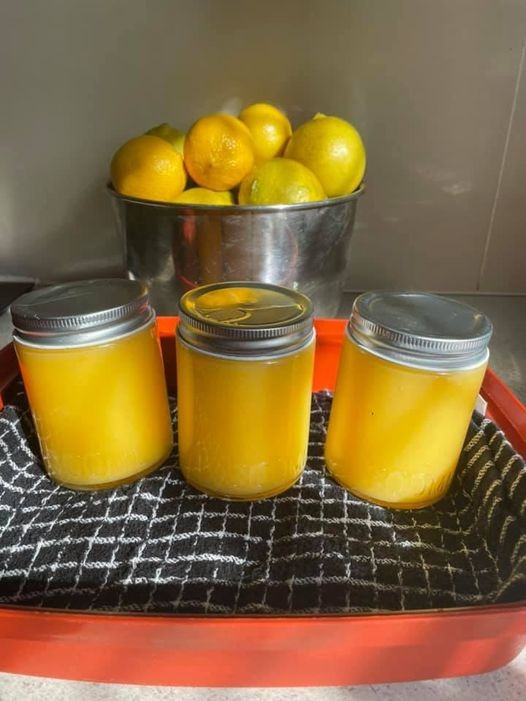
    Lemon curd is a smooth and creamy spread made from fresh lemon juice eggs sugar and butter. It has a bright tangy flavor balanced with richness and is commonly used as a filling topping or spread. Lemon curd can be enjoyed on toast scones pancakes cakes or used in desserts such as tarts and parfaits. This recipe provides clear measurements and detailed instructions for consistent results.

    Ingredients
    Three large eggs
    Three quarters cup granulated sugar
    Half cup fresh lemon juice
    One tablespoon lemon zest
    Six tablespoons unsalted butter cut into small pieces

    Equipment Needed
    A heat resistant bowl or saucepan
    A whisk
    A fine grater or zester
    Measuring cups
    Measuring spoons

    Preparation
    Wash and dry the lemons before zesting. Zest the lemons first then juice them to obtain fresh lemon juice. Measure all ingredients accurately before starting as the cooking process requires constant attention.

    Cooking Method
    In a heat resistant bowl or saucepan whisk the eggs and sugar together until smooth and slightly pale. Add the lemon juice and lemon zest and whisk until fully combined.

    Place the bowl over a saucepan of gently simmering water or set the saucepan over low heat. Cook the mixture slowly while whisking constantly. This gentle heat prevents the eggs from scrambling and helps create a smooth texture.

    Continue cooking for eight to ten minutes until the mixture thickens enough to coat the back of a spoon. The curd should be creamy and glossy.

    Remove from heat and immediately add the butter pieces. Whisk until the butter is fully melted and incorporated creating a rich and silky lemon curd.

    Straining Optional
    For an extra smooth texture strain the lemon curd through a fine mesh sieve to remove zest and any cooked egg bits. This step is optional but recommended for a refined finish.

    Cooling and Setting
    Transfer the lemon curd to a clean jar or container. Allow it to cool at room temperature then refrigerate for at least two hours. The curd will thicken further as it chills.

    Serving Suggestions
    Lemon curd can be spread on toast scones or biscuits. It works well as a filling for cakes tarts and pastries or as a topping for yogurt ice cream or pancakes.

    Storage
    Store lemon curd in an airtight container in the refrigerator for up to two weeks. Always use a clean spoon when serving to maintain freshness.

    Tips for Best Results
    Use fresh lemon juice rather than bottled for the best flavor.
    Cook over low heat and whisk continuously to avoid curdling.
    Do not rush the thickening process.
    Strain for a smoother professional quality curd.

    Conclusion
    Lemon curd is a versatile and elegant recipe made with simple ingredients and precise measurements. This method produces a smooth tangy and creamy curd perfect for both everyday use and special desserts.

  • Garlic Butter Air Fryer Mushrooms

    Garlic Butter Air Fryer Mushrooms

    Introduction
    Garlic butter air fryer mushrooms are a quick and flavorful side dish or appetizer made with minimal ingredients. The air fryer concentrates the mushroom flavor while the garlic butter adds richness and aroma. This recipe provides exact measurements and clear steps making it ideal for a professional blog or recipe website.

    Ingredients
    Two cups whole mushrooms such as button or cremini
    Two tablespoons unsalted butter melted
    One tablespoon olive oil
    Three cloves garlic finely minced
    Half teaspoon salt
    Quarter teaspoon black pepper
    Half teaspoon dried parsley or fresh parsley finely chopped

    Equipment Needed
    An air fryer
    A mixing bowl
    Measuring cups
    Measuring spoons

    Preparation
    Clean the mushrooms by wiping them with a damp cloth or rinsing quickly under water and patting them dry. Trim the stems if needed. Leave the mushrooms whole or cut larger ones in half for even cooking.

    In a mixing bowl combine the melted butter olive oil minced garlic salt black pepper and parsley. Stir well to create a smooth garlic butter mixture.

    Add the mushrooms to the bowl and toss until they are evenly coated with the garlic butter sauce.

    Cooking Method
    Preheat the air fryer to three hundred and eighty degrees Fahrenheit. Place the coated mushrooms in the air fryer basket in a single layer. Avoid overcrowding to allow proper air circulation.

    Air fry for eight to ten minutes shaking the basket halfway through cooking. The mushrooms should become tender golden and slightly crisp around the edges.

    Checking for Doneness
    The mushrooms are ready when they are soft inside and lightly browned on the outside. If needed cook for an additional one to two minutes depending on mushroom size and air fryer strength.

    Serving Suggestions
    Serve garlic butter air fryer mushrooms hot as a side dish with grilled meats chicken or pasta. They also work well as a topping for toast rice or salads.

    Storage
    Allow leftovers to cool completely before storing. Place in an airtight container and refrigerate for up to three days. Reheat briefly in the air fryer or on a stovetop pan.

    Tips for Best Results
    Use mushrooms of similar size for even cooking.
    Do not overcrowd the air fryer basket.
    Adjust garlic amount based on preference.
    Shake the basket halfway for uniform browning.

    Conclusion
    Garlic butter air fryer mushrooms are a simple yet rich dish made with precise measurements and minimal preparation. This recipe delivers tender flavorful mushrooms with a buttery garlic finish perfect for everyday meals or entertaining.

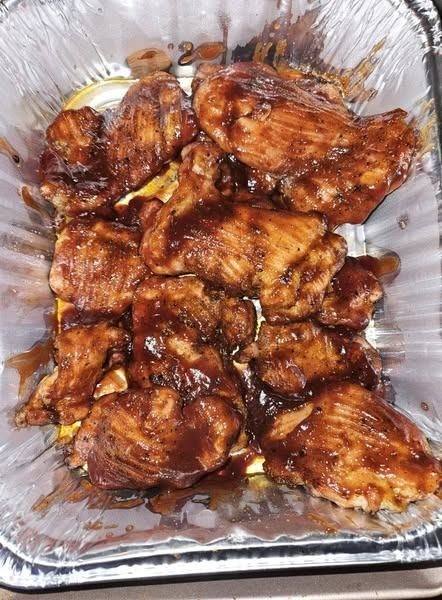
  • Baked Chicken Thighs

    Baked Chicken Thighs

    Introduction
    Baked chicken thighs are a flavorful and satisfying main dish known for their juicy texture and rich taste. Chicken thighs are naturally tender and forgiving which makes them ideal for baking. This recipe provides clear measurements and detailed instructions to produce perfectly seasoned and evenly cooked chicken suitable for family meals or meal prep.

    Ingredients
    Six bone in skin on chicken thighs
    Two tablespoons olive oil
    One teaspoon salt
    Half teaspoon black pepper
    One teaspoon garlic powder
    One teaspoon paprika
    Half teaspoon onion powder
    Half teaspoon dried oregano or thyme
    Optional lemon wedges for serving

    Equipment Needed
    An oven
    A baking tray
    Parchment paper or aluminum foil
    A mixing bowl
    Paper towels

    Preparation
    Preheat the oven to four hundred and twenty five degrees Fahrenheit. Line a baking tray with parchment paper or foil for easy cleanup.

    Pat the chicken thighs dry with paper towels. Removing excess moisture helps the skin become crisp during baking. Place the chicken thighs in a large mixing bowl.

    Add olive oil salt black pepper garlic powder paprika onion powder and dried herbs to the bowl. Rub the seasoning mixture evenly over all sides of the chicken thighs making sure they are well coated.

    Baking Method
    Arrange the chicken thighs on the prepared baking tray skin side up leaving space between each piece. This allows heat to circulate evenly.

    Place the tray in the preheated oven and bake for thirty five to forty five minutes. The chicken should be golden brown with crispy skin and fully cooked inside.

    Checking for Doneness
    The chicken thighs are done when the internal temperature reaches one hundred and sixty five degrees Fahrenheit and the juices run clear. If additional browning is desired switch the oven to broil for two to three minutes while watching closely.

    Resting and Serving
    Remove the chicken from the oven and let it rest for five minutes before serving. Resting allows the juices to redistribute keeping the meat moist.

    Serve baked chicken thighs with roasted vegetables rice mashed potatoes or a fresh salad. Lemon wedges can be served on the side for added brightness.

    Storage
    Allow leftovers to cool completely before storing. Place in an airtight container and refrigerate for up to four days.

    Tips for Best Results
    Pat the chicken dry before seasoning for crispy skin.
    Do not overcrowd the baking tray.
    Bone in skin on thighs provide the best flavor and moisture.
    Adjust seasoning to suit your taste.

    Conclusion
    Baked chicken thighs are a reliable and flavorful dish made with simple ingredients and precise measurements. This recipe delivers juicy tender meat with crisp skin making it a perfect option for both weeknight dinners and special occasions.

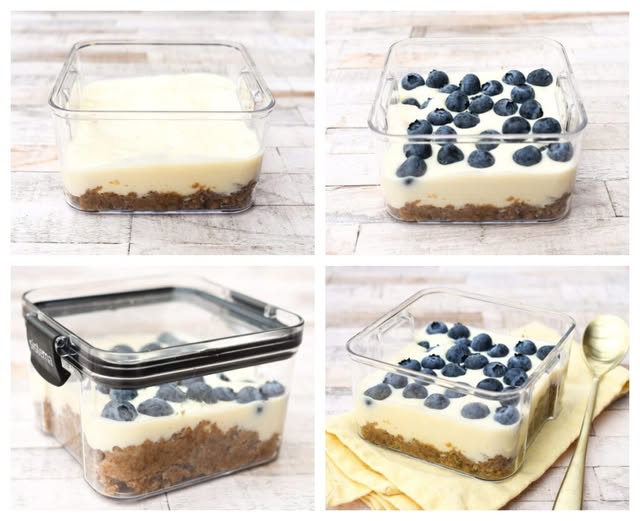
  • Blueberry Overnight Oats

    Blueberry Overnight Oats

    Introduction
    Blueberry overnight oats are a nutritious and convenient breakfast option that requires no cooking. Prepared the night before this recipe allows the oats to soften naturally while absorbing the flavors of milk and blueberries. It is ideal for busy mornings and provides a balanced combination of fiber protein and natural sweetness.

    Ingredients
    Half cup rolled oats
    Half cup milk dairy or plant based
    Quarter cup plain yogurt or Greek yogurt
    Half cup fresh or frozen blueberries
    One tablespoon honey or maple syrup
    Half teaspoon vanilla extract
    One tablespoon chia seeds optional

    Equipment Needed
    A jar or container with a lid
    Measuring cups
    Measuring spoons
    A spoon for mixing

    Preparation
    Choose a clean jar or container large enough to allow stirring. Add the rolled oats milk yogurt honey and vanilla extract to the container. Stir well until all ingredients are fully combined and the oats are evenly moistened.

    Add the blueberries and chia seeds if using. Gently stir to distribute them throughout the mixture. Make sure the blueberries are well mixed so their flavor spreads evenly as the oats soak.

    Chilling Method
    Cover the container with a lid and place it in the refrigerator. Allow the oats to soak for at least six hours or overnight. During this time the oats will absorb the liquid and soften creating a creamy texture.

    Checking Consistency
    In the morning remove the container from the refrigerator and stir the oats. If the mixture is too thick add one to two tablespoons of milk and mix until the desired consistency is reached.

    Serving Suggestions
    Blueberry overnight oats can be eaten cold or slightly warmed. Top with additional blueberries sliced almonds granola or a drizzle of honey if desired. They can be enjoyed directly from the jar or transferred to a bowl.

    Storage
    Store blueberry overnight oats in the refrigerator for up to three days. Keep the container tightly sealed to maintain freshness and prevent absorption of other odors.

    Tips for Best Results
    Use rolled oats rather than quick oats for better texture.
    Fresh blueberries provide a firmer bite while frozen blueberries release more juice.
    Adjust sweetness based on personal preference.
    Stir well before refrigerating to avoid dry spots.

    Conclusion
    Blueberry overnight oats are a simple wholesome and make ahead breakfast made with precise measurements and minimal effort. This recipe offers a creamy satisfying meal that supports a healthy lifestyle while fitting easily into a busy routine.