Introduction
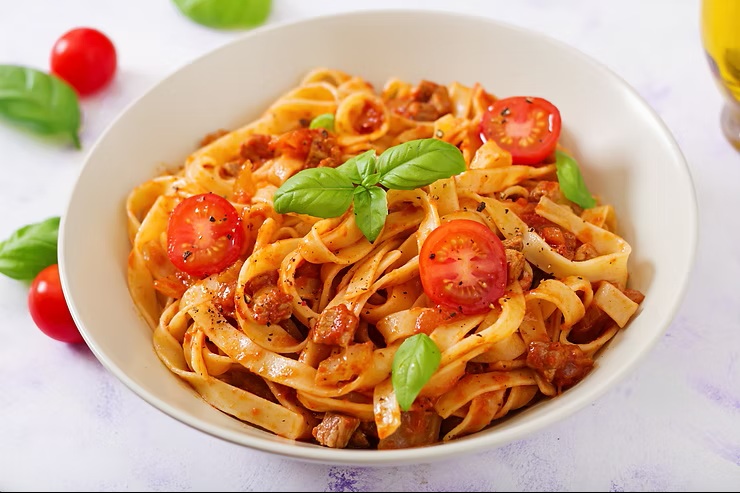
Pasta can be a comforting and satisfying meal, especially when prepared in a way that is gentle on the digestive system. This recipe transforms a classic tomato pasta into a softer, milder version suitable for those managing diverticulitis.
The key adjustments include using a smooth, seedless tomato sauce, avoiding harsh spices, ensuring all ingredients are well-cooked, and keeping the texture soft and moist. The result is a warm, soothing dish that is easy to digest while still delivering comforting flavors.
Ingredients
For the Pasta
- 2 cups pasta (preferably white pasta such as fettuccine or penne for lower fiber)
- Water for boiling
- 1/2 teaspoon salt
For the Sauce
- 1 cup smooth tomato puree (strained, no seeds or skins)
- 1 tablespoon olive oil
- 1/2 teaspoon dried basil or fresh basil (finely chopped)
- 1/2 teaspoon dried oregano (optional, keep mild)
- 1/2 teaspoon sugar (to reduce acidity, optional)
- Salt to taste
- 1/4 cup finely grated soft cheese (such as mozzarella or mild cheddar)
Optional Protein (Gentle Additions)
- 1/2 cup finely shredded cooked chicken OR
- Soft scrambled egg mixed in at the end
Important Preparation Notes for Diverticulitis
- Use refined white pasta instead of whole wheat to reduce fiber content.
- Ensure the tomato sauce is completely smooth and seedless, as seeds and skins may irritate the digestive tract.
- Avoid garlic chunks, onions, chili flakes, or strong spices.
- Cook everything until soft and easy to chew.
- Keep the dish moist, as dry foods can be harder to digest.
Step-by-Step Instructions
Step 1: Cook the Pasta
- Bring a large pot of water to a boil.
- Add a small amount of salt.
- Add the pasta and cook until it becomes very soft, slightly beyond al dente.
- Stir occasionally to prevent sticking.
- Once cooked, drain the pasta but reserve a small amount of the cooking water.
- Set the pasta aside.
Step 2: Prepare the Sauce
- In a pan, heat olive oil over low to medium heat.
- Add the smooth tomato puree and stir gently.
- Let it cook for about 5 to 7 minutes on low heat. This helps reduce acidity and enhances flavor.
- Add salt, a small amount of sugar (if needed), and mild herbs like basil and oregano.
- Stir well and allow the sauce to simmer gently until it thickens slightly but remains smooth.
- If the sauce becomes too thick, add a little reserved pasta water to loosen it.
Step 3: Combine Pasta and Sauce
- Add the cooked pasta directly into the sauce.
- Gently mix until all the pasta is evenly coated.
- If using shredded chicken, add it now and mix thoroughly.
- Let everything cook together for 2 to 3 minutes so the flavors blend and the pasta absorbs the sauce.
Step 4: Add Cheese and Finish
- Turn off the heat.
- Sprinkle the grated cheese over the pasta.
- Stir until the cheese melts completely, creating a smooth and creamy texture.
- If needed, add a small splash of warm water or broth to keep the pasta soft and moist.
Texture and Serving Tips
- The pasta should be soft and tender, not firm.
- The sauce should be smooth, with no chunks or seeds.
- The overall dish should feel moist and easy to swallow.
- Avoid adding raw toppings like fresh tomatoes during sensitive periods.
Variations and Adjustments
During a Flare-Up
- Use less tomato and dilute the sauce with broth.
- Skip herbs if they cause discomfort.
- Avoid cheese if dairy is not well tolerated.
During Recovery
- Gradually introduce very soft vegetables like peeled zucchini or carrots (well-cooked and mashed).
- Add small amounts of lean protein like chicken for extra nutrition.
Storage Instructions
- Store leftovers in an airtight container in the refrigerator for up to 2 days.
- Reheat gently with a splash of water to maintain softness.
- Avoid reheating multiple times.
Nutritional Benefits
- Provides easily digestible carbohydrates for energy.
- Tomato sauce (when smooth) offers vitamins while remaining gentle.
- Optional protein supports healing and strength.
- Soft texture reduces strain on the digestive system.