Introduction
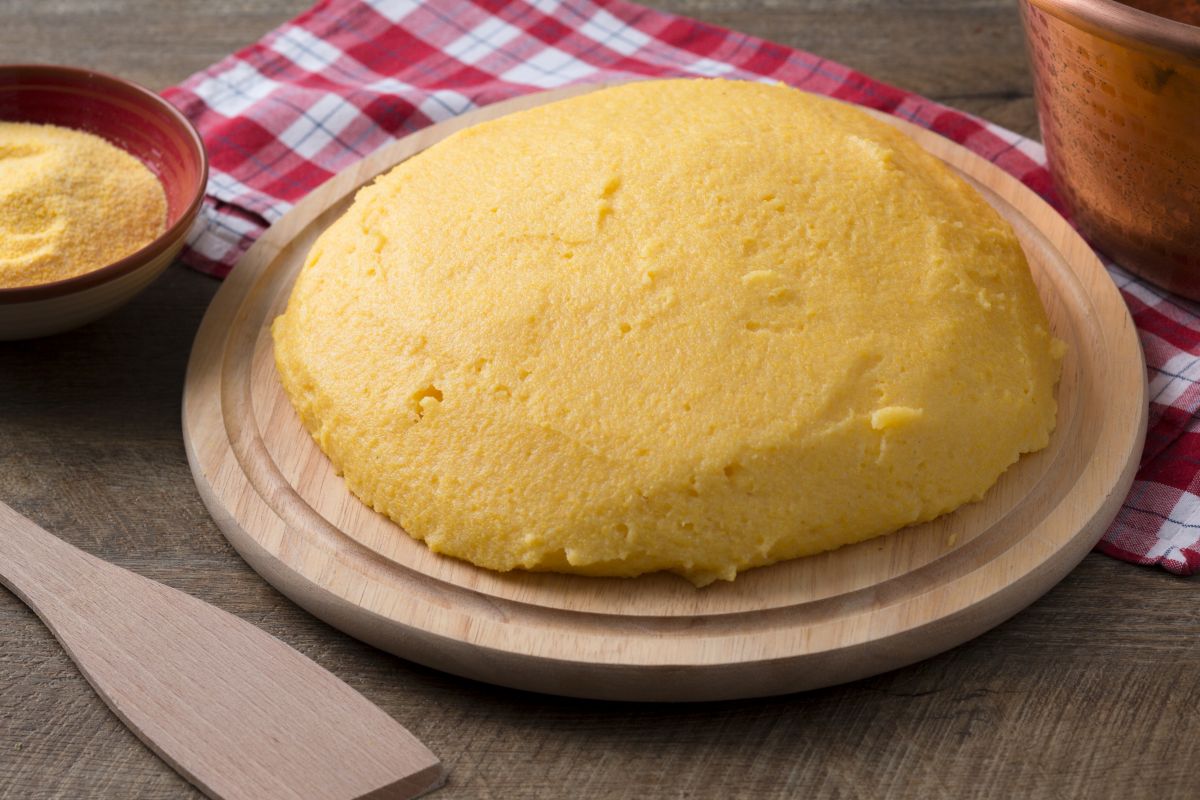
Polenta is a traditional Italian dish made from coarsely ground cornmeal. When prepared correctly, it becomes a rich, creamy, and comforting dish with a mild flavor that pairs beautifully with meats, vegetables, cheeses, and sauces. Using a Thermomix makes the process much easier and more consistent, eliminating the need for constant stirring while ensuring a perfectly smooth texture.
Ingredients
- 1000 grams water
- 250 grams coarse cornmeal (polenta)
- 1 teaspoon salt (adjust to taste)
- 30 to 50 grams butter (optional, for richness)
- 50 to 100 grams grated Parmesan cheese (optional, for flavor)
- 1 tablespoon olive oil (optional, helps prevent sticking and enhances texture)
Equipment
- Thermomix (any model such as TM5, TM6, or TM31)
- Spatula
- Serving dish or tray
Preparation Time
- Preparation: 5 minutes
- Cooking: 25 to 30 minutes
- Total time: Approximately 30 to 35 minutes
Step-by-Step Instructions
Step 1: Prepare the Ingredients
Measure all your ingredients carefully. If your Parmesan cheese is not pre-grated, you can grate it in the Thermomix before starting:
- Add cheese to the mixing bowl
- Grate for 10 seconds on speed 10
- Set aside
Make sure the cornmeal is suitable for polenta and not too finely ground, as coarse cornmeal gives better texture.
Step 2: Heat the Liquid
Add the water and salt to the Thermomix bowl.
- Set temperature to 100 degrees Celsius
- Set time to 8 minutes
- Set speed to 1
This step ensures the water is hot enough before adding the cornmeal, which helps prevent lumps.
Step 3: Add the Cornmeal Gradually
Once the water is heated:
- Set the Thermomix to 100 degrees Celsius
- Set time to 20 minutes
- Set speed to 2
With the measuring cup removed, slowly pour the cornmeal through the lid opening into the rotating blades. This gradual addition is important to avoid clumping.
Step 4: Cook the Polenta
Allow the Thermomix to cook the polenta for the full 20 minutes.
- Keep temperature at 100 degrees Celsius
- Speed at 2
During this time, the polenta will thicken and become creamy. If you prefer a thicker consistency, you can extend cooking by 5 more minutes at Varoma temperature.
Step 5: Add Butter and Cheese
Once cooking is complete:
- Add butter and grated Parmesan cheese
- Mix for 20 to 30 seconds on speed 3
This step adds richness and enhances the flavor, making the polenta smooth and luxurious.
Step 6: Adjust Consistency
Check the texture of your polenta:
- If too thick, add a little hot water or milk and mix for 10 to 15 seconds on speed 3
- If too thin, cook for an additional 3 to 5 minutes at Varoma temperature, speed 2
Step 7: Serve
Transfer the polenta immediately to a serving dish, as it will begin to firm up as it cools.
You can serve it:
- Soft and creamy, straight from the bowl
- Spread onto a tray, cooled, then sliced and grilled or fried later
Tips for Perfect Thermomix Polenta
- Always add cornmeal slowly to avoid lumps
- Stirring is handled by the Thermomix, but correct speed is important
- Use good quality cornmeal for best flavor and texture
- Serve immediately for a creamy consistency
- Add extra butter or cheese for a richer version
Variations
Creamy Milk Polenta
Replace half the water with milk for a richer taste.
Garlic Polenta
Add 1 to 2 cloves of garlic to the water at the heating stage.
Herb Polenta
Stir in fresh herbs such as thyme, rosemary, or parsley at the end.
Cheesy Polenta
Experiment with cheeses like cheddar, mozzarella, or gorgonzola.
Storage and Reheating
- Store leftovers in the refrigerator for up to 3 days
- Polenta will firm up when cold
- To reheat, add a little water or milk and heat in the Thermomix at 80 degrees Celsius, speed 2 until creamy again
Serving Suggestions
Polenta pairs well with:
- Stews and braised meats
- Grilled vegetables
- Mushroom sauces
- Roasted chicken
- Tomato-based dishes